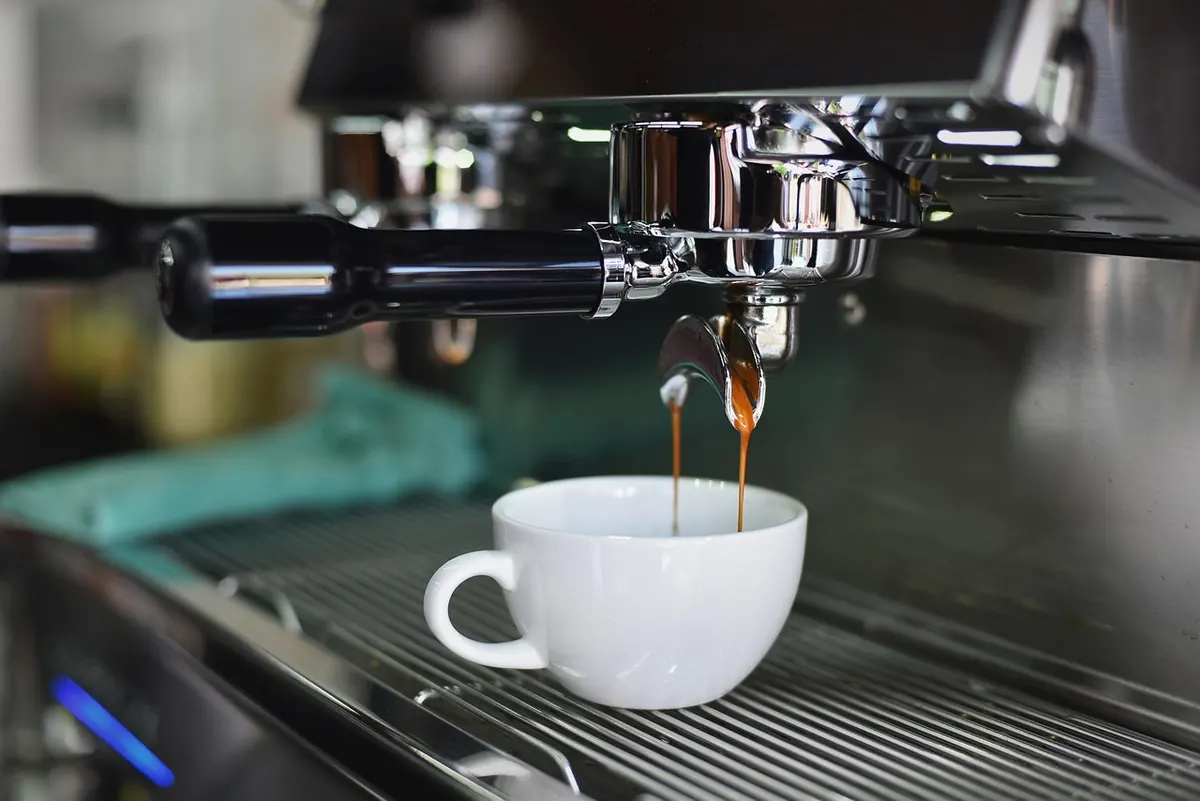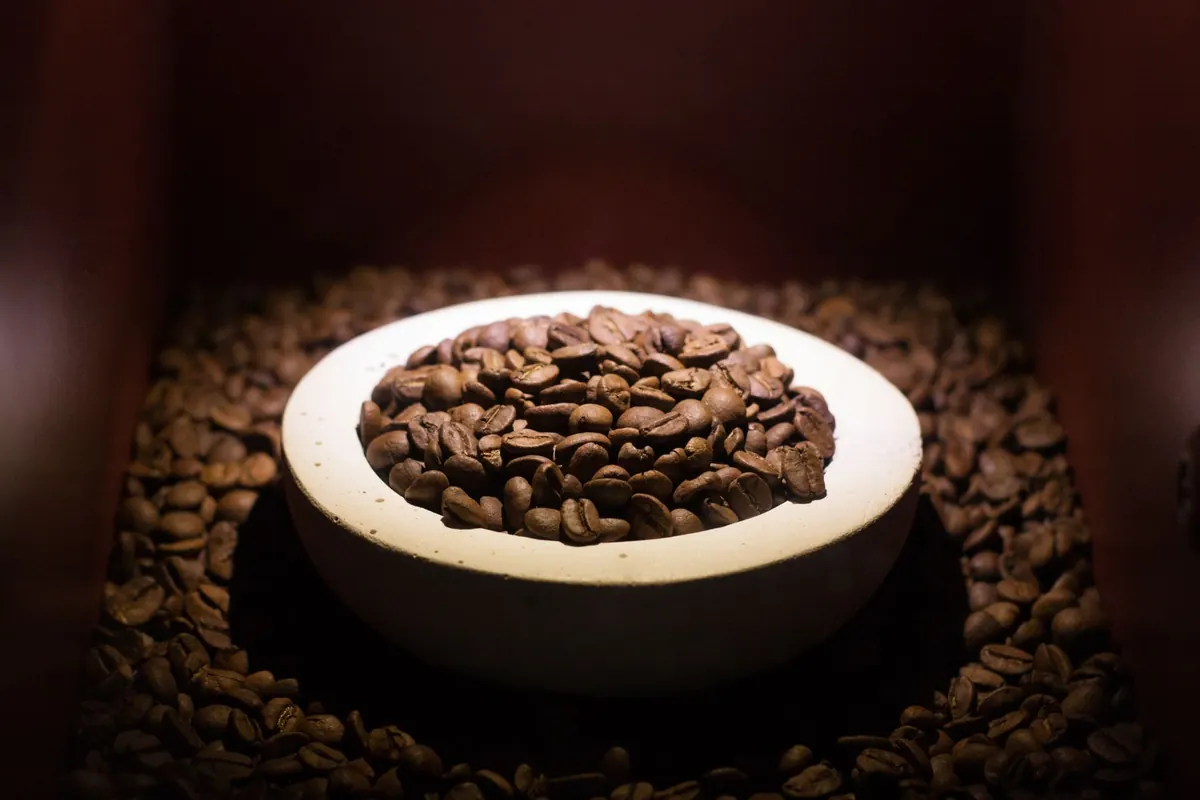
The bag of Ethiopian beans on your shelf smells like jasmine and bergamot. Pulled as a straight espresso, it is vivid and layered. Poured into six ounces of steamed milk, it turns into something pleasant, brown, and slightly anonymous. Nothing is wrong with the drink — you have simply lost most of what you paid for. Milk is generous to coffee. It softens harsh edges, rounds off acidity and adds a sweetness that flatters almost any bean. Milk is also a blanket. Choosing between a single origin and a blend for milk drinks comes down to one question: do you want the milk to carry the coffee, or to step back and let it speak?
Two words, quickly defined
A single origin is coffee from one traceable place — a farm, a cooperative, a washing station, a small region. It tastes of that place, and it changes when the next harvest arrives. A blend is two or more coffees combined on purpose, usually to hit a target flavour profile that the roaster can repeat.
Neither is inherently better. A single origin is not automatically "premium," and a blend is not automatically a cost-cutting exercise. In espresso, blending is a design decision, and some of the most thoughtful blends on the market are built specifically to survive contact with milk.
What milk actually does to a cup
Before comparing the two, it helps to be honest about the physics of a milk drink. A six-ounce cappuccino is roughly half milk. A twelve-ounce latte is much more. That milk does several things at once:
- It dilutes. Delicate aromatics get spread thin across a much larger volume of liquid.
- It coats. Fat and protein film the palate, muting the floral and tea-like notes that make many light coffees exciting.
- It sweetens. Lactose plus the sweetness created by steaming lifts chocolate, caramel, nut and brown-sugar flavours, and flatters them.
- It adds body. A coffee that already feels syrupy can become heavy and cloying once milk arrives.
The practical result: flavours in the chocolate-nut-caramel family get louder with milk, while jasmine, bergamot, red berries and stone fruit get quieter. Anyone choosing beans for milk drinks should start there.
When a single origin works with milk
Single origins are not doomed in milk. The ones that succeed tend to be sweeter, lower in acidity and fuller in body. A natural Brazil from Cerrado, with its peanut and milk-chocolate profile, is almost impossible to ruin with a steam wand. A washed Colombian from Huila, all caramel and red apple, holds its shape in a flat white. A Guatemalan from Huehuetenango brings cocoa and orange peel that read clearly through five ounces of milk.
Three single origins and how to drink them
- Washed Ethiopia, Yirgacheffe: jasmine, bergamot, black tea. Wonderful as espresso, and genuinely lovely in a cortado or piccolo where the milk is a splash rather than a flood. In a large latte it disappears.
- Kenya, Nyeri: blackcurrant and a dense, structured acidity. Brilliant straight. With milk it can turn sharp and slightly clash, so try a macchiato before committing a whole bag to lattes.
- Natural Brazil: hazelnut, chocolate, low acidity, heavy body. The most forgiving single origin you can put in front of milk, and a good first experiment if you normally buy blends.
The trade-off with single origins is that a lot changes between crops, and even between lots from the same farm. The coffee you fell in love with in March may taste different by September. That is part of the appeal, and part of the frustration.
Where blends earn their place
A good espresso blend is a recipe, and recipes are built for repetition. The roaster can adjust components as harvests shift so that the espresso in your kitchen tastes roughly the same in February and in August. If you drink two flat whites a day and want them to be reliably good, that consistency is worth a great deal.
Blends also solve the milk problem directly. A common structure pairs a sweet, nutty base — often a Brazil natural — with a washed Central American coffee for structure and clean sweetness, plus a small percentage of something brighter, like a washed Kenya or an Ethiopian natural, to keep the cup from going flat. The base gives you body and chocolate; the bright component gives you a lift that survives the milk. Many blends sold as "espresso" or "house" are built exactly this way, and they tend to be more forgiving of small mistakes in grind and dose.
There is a second advantage that rarely gets mentioned: blends often hold up better as the bag ages. A complex single origin can lose its top notes within a couple of weeks of roast, while a sturdy blend keeps tasting like itself for longer.
Roast level and ratio matter more than the label
Two coffees from the same farm, roasted differently, will behave completely differently in milk. A very light roast can taste sour or vegetal once milk is added, because the acidity has nothing sweet to balance it. A very dark roast can turn ashy and dominate the drink, leaving a bitter finish. Medium and medium-light roasts are usually the safest middle ground for milk, though plenty of well-developed light roasts work beautifully in small drinks.
Recipe matters just as much. For milk drinks, many baristas pull a shorter, more concentrated shot so the coffee is not lost: something like 18 grams in and 25 to 30 grams out, rather than a longer 36-gram yield, for a six-ounce drink. A higher dose is another way to push flavour through. And keep an eye on milk temperature — scalded milk tastes sweet and flat and will flatten even the best beans.
A simple test to run at home
You do not need a cupping table to settle this. Buy a bright single origin and a blend you already trust, then run a fair comparison.
- Dial both coffees to the same recipe: same dose, same yield, same shot time.
- Taste each as straight espresso, then as a cortado, then as a latte.
- Write down which specific flavours survive each stage, not just which you liked.
- For the single origin, try a shorter yield or a smaller drink and taste again.
- Repeat the test after ten days. Coffees change as they rest, and so does the answer.
Five minutes of note-taking will tell you more than any description on a bag.
How to choose, practically
If most of your drinks are twelve-ounce lattes, buy a blend — or a forgiving single origin like a Brazil natural — and put your money into freshness and a good grinder rather than rarity. If you live on cortados and flat whites, a sweet, medium-roasted single origin can be superb, and you will actually taste what you paid for. If you drink both espresso and milk drinks, keep a blend as the daily workhorse and a smaller bag of something characterful for the short drinks and the weekends.
And ask. A good roaster knows which of their coffees hold up in milk and which are better black, and they will usually tell you honestly. That conversation is worth more than the label on the front of the bag.
Photo: Lucius PK / Pexels